Journeying Through the World of Private Schools: Locating the Best Fit for Your Child
Evaluating private school choices requires a deliberate process. Parents must balance educational reputation against institutional values. Classroom sizes and classroom environments play crucial roles in individualized attention. Connecting with current families offers meaningful information, while reviewing curricular and extracurricular offerings establishes a match for a child's interests. Recognizing tuition structures and financial assistance options remains important. As families begin this process, several key considerations will emerge that could greatly influence their selection.
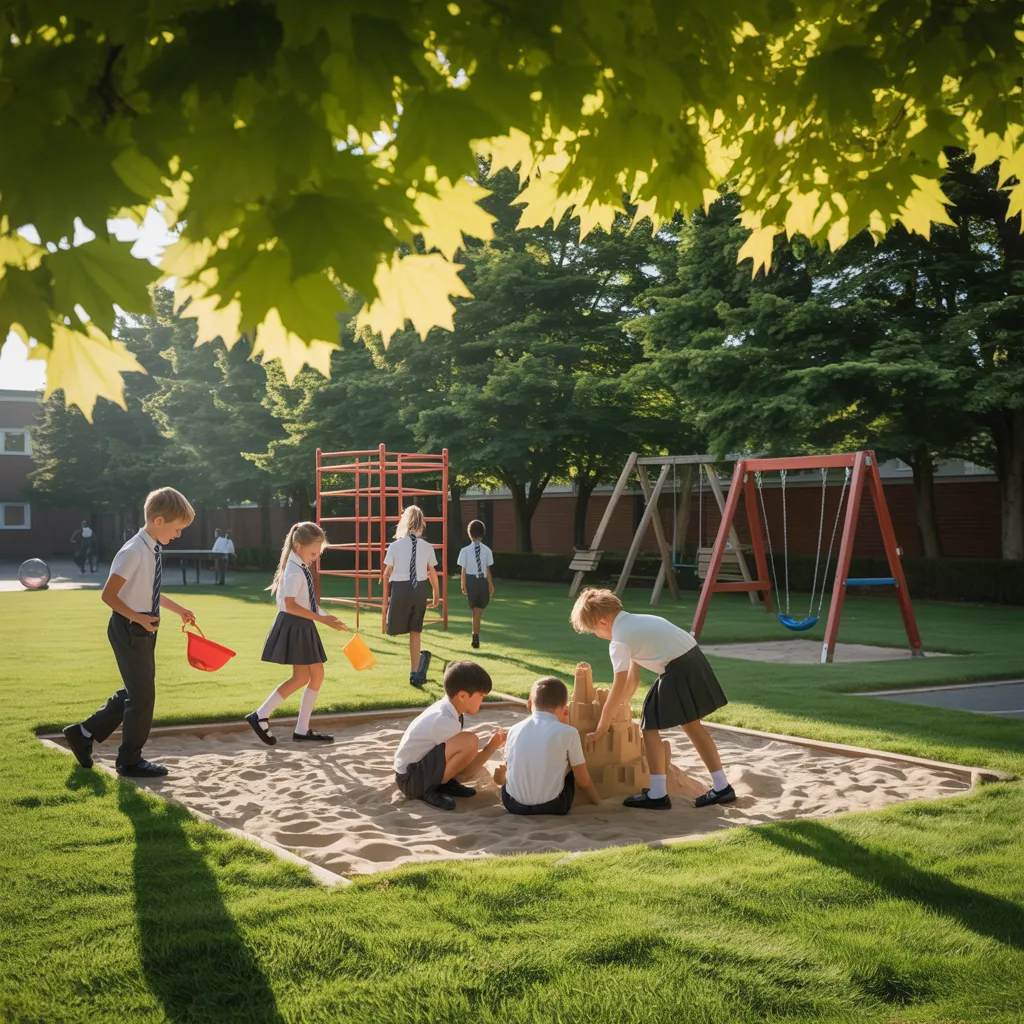
Important Factors to Consider When Selecting a Private School
When selecting a independent school, how can parents guarantee they make the ideal decision for their child? Important factors include the school's scholastic standing, curriculum offerings, and teaching philosophy. Parents should investigate the school's performance metrics, such as college placement records and standardized test scores. Additionally, appreciating the school's values and culture is essential; some may prioritize intensive scholarly pursuits while others emphasize creative programs or personal growth.
Touring the school and watching classrooms in action can offer valuable understanding of the academic atmosphere and pedagogical techniques. Parents should also consider classroom capacity and instructor-to-learner ratios, as these factors often impact individualized attention. Furthermore, assessing after-school programs and supplementary resources, such as counseling and special education resources, can help guarantee that the school meets the child's overall needs. Speaking with present-day parents and attending pupils can deliver exceptionally useful viewpoints, guiding families toward a well-informed decision.
Understanding Types of Private Schools
A wide variety of private schools cater to diverse educational approaches and student interests. Religiously affiliated schools frequently combine faith-based teachings with academic subjects, prioritizing values-based learning alongside conventional coursework. Montessori-based institutions place emphasis on self-directed learning, allowing children to investigate and work with educational tools at a comfortable speed, cultivating independence and creativity.
In contrast, Waldorf schools champion artistic expression and experiential learning, fostering a comprehensive perspective on learning. Preparatory academic institutions are centered around rigorous academic standards, preparing students for higher education via extracurricular activities and advanced coursework.
Niche schools, such as those designed for academically advanced students or those with unique learning needs, provide tailored programs to meet unique needs. Furthermore, international academies deliver world-class curricula, accommodating expatriate families and promoting cultural diversity. Each type of private school presents distinct advantages, highlighting the importance of parents carefully assessing their child's personal learning preferences and goals when selecting the ideal setting.
How to Evaluate School Curriculum: Key Factors
When assessing a private school's curriculum, understanding the curriculum structure is essential. This overview can reveal how disciplines are arranged and combined, providing insight into the educational approach. Moreover, the diversity of disciplines provided plays a critical role in addressing diverse student interests and needs.
Curriculum Framework Summary
A thorough evaluation of a school's curriculum is vital for parents who want to find the ideal academic environment for their child. Understanding the curriculum structure involves reviewing its primary aspects, such as learning objectives, instructional methods, and assessment strategies. It is important for parents to evaluate whether the curriculum suits their child's preferred learning approach and educational aspirations. Furthermore, the progression and thoroughness of subject matter across grade levels demonstrate how effectively a school equips students for upcoming academic demands. Important factors include the balance between foundational skills and critical thinking development. In addition, parents should evaluate how technology and practical applications are incorporated, as these components can boost student involvement and meaningful learning. Ultimately, a well-structured curriculum can greatly impact a child's educational experience and success.
Subject Variety Importance
Examining the diversity of disciplines offered at a view details private school is crucial for parents aiming to offer a balanced education for their child. A varied curriculum not only promotes academic progress but also cultivates critical thinking, creativity, and personal interests. Parents should evaluate whether the school delivers a mix of core subjects, such as mathematics and science, alongside arts, humanities, and physical education. Moreover, specialized programs like foreign languages, technology, and extracurricular activities can enrich a child's learning experience. It is also essential to determine how the curriculum caters to different learning styles, ensuring inclusivity for all students. By considering these factors, parents can make informed decisions that support their child's unique strengths and aspirations.
Overview of Tuition and Financial Aid
Comprehending the economic components of private schooling is crucial for families. This encompasses learning about various fee structures and the types of financial assistance accessible, such as scholarships, grants, and awards. An informed approach can assist families consider their alternatives successfully.
Breaking Down Tuition Structures
While maneuvering the terrain of private schooling, families must understand the diverse tuition structures and financial aid options available. Private school tuition can vary considerably, often shaped by the institution's facilities, reputation, and location. Typically, families come across different models: comprehensive fees, fixed tuition, and sliding scale options that may include academic materials and extracurricular programs. Understanding these structures is important, as some schools may apply supplementary charges not accounted for in the base tuition. Furthermore, payment plans can diverge, offering families alternatives between semester, monthly, or annual payment schedules. By familiarizing themselves with these aspects, families can arrive at knowledgeable choices that suit their financial situations while ensuring their child's educational needs are met effectively.
Types of Financial Assistance
Maneuvering the financial terrain of independent education often prompts families to investigate several financial aid. Financial assistance options typically include need-based assistance, which is based on the household's financial standing, and merit-based financial awards, awarded for academic, athletic, or artistic accomplishments. Certain institutions provide payment plans that permit families to divide tuition costs over the academic year, easing financial strain. Additionally, loans may be available, allowing families to fund education expenses with structured repayment arrangements. Certain schools offer discounts for siblings enrolled or for early payment. Being aware of these financial aid options helps families arrive at informed decisions, allowing them to secure a workable approach that addresses their child's academic requirements without jeopardizing their financial wellbeing.
Scholarships and Grants Offered
How can families successfully navigate the landscape of financial awards and grants available for private education? Gaining insight into the available financial aid options is crucial for making private schooling attainable. Numerous private schools provide merit-based scholarships that reward artistic skills, academic excellence, or athletic talent. Furthermore, need-driven grants can greatly alleviate tuition costs for families experiencing financial difficulties.
Exploring community foundations, local organizations, and educational nonprofits can reveal outside scholarship options. Families should also consider applying for state and federal aid programs, which may provide supplementary financial support. By thoroughly examining deadlines and eligibility requirements, families can improve their chances of obtaining the necessary funding, making sure their child's academic path reflects both goals and financial limitations.
Examining Extracurricular Opportunities and Community Culture
What factors contribute to an engaging community environment and abundant extracurricular activities in a private school? To begin, strong leadership and a clear mission build a sense of connection among students and families. Schools that champion inclusivity and diversity create an environment where all voices are heard, strengthening community involvement. Moreover, an extensive selection of extracurricular programs—spanning from athletics and creative arts to academic organizations—empowers students to discover their talents and grow outside of academic settings.
In addition, meaningful parent engagement can enrich the school community, encouraging connections between families and staff. Recurring activities, such as cultural celebrations or community service initiatives, reinforce these bonds and cultivate a spirit of common goals. Above all, a thriving independent school community reflects its extracurricular programs, confirming that students thrive academically while becoming well-rounded individuals in a nurturing setting.
School Visits and Interactions: Best Practices
Discovering the dynamic community culture and extracurricular activities at a private school often commences with a visit. Parents and families should schedule tours during regular school hours to witness daily routines, allowing them to evaluate the school's atmosphere and level of engagement. It is advisable to compile a list of key aspects to evaluate, such as instructional interactions, school facilities, and student assistance programs.
Throughout the visit, parents and children should speak with faculty and staff, inquiring about educational philosophies and available resources. Engaging with current students can also offer valuable insights into the social atmosphere of the school. Noting how teachers engage with their students can demonstrate the extent of care and attention provided.
In addition, visiting open houses or informational sessions can improve understanding of the school's guiding values and coursework. At the end of the day, these engagements are vital for evaluating whether a school is in line with the family's learning goals and standards for a caring and nurturing environment.
Key Questions for Private School Admissions
When exploring admissions at private schools, families commonly ask which inquiries will most accurately determine a school's suitability for their child. Important considerations should address educational programs, instructional approaches, and extracurricular activities. Parents are encouraged to ask about the size of classes and staff-to-student ratios, as these considerations can affect personalized attention and assistance.
Inquiring about the school's stance on diversity and inclusion can additionally offer insights into its core values. Additionally, recognizing the school's discipline policies and supplementary services, such as counseling services or special education support, is crucial for assessing overall student welfare.
Parents and guardians should also evaluate the school's track record in college placements and alumni success. Finally, assessing the degree of parental engagement and dialogue can help measure how well the school matches the household's academic values. These questions collectively foster a thorough understanding of the school's environment and its fit for the individual child.
Questions We Often Receive
What Are Common Misconceptions About Private Schools?
Widespread misunderstandings regarding private schools involve the assumption that they cater only to affluent families, that they promise outstanding educational outcomes, and that they lack diversity. These assumptions often overlook the variety of available options and experiences.
How Do Private Schools Manage Special Education Needs?
Private educational institutions frequently offer personalized assistance for students with special educational requirements, including customized academic programs, expert personnel, and resources. However, the degree of assistance can vary greatly across schools, requiring careful consideration by households in search of proper support services.
What Is the Typical Class Size in Private Schools?
Common classroom sizes in independent schools fall between 10 to 20 students, enabling more individualized attention and personalized teaching. This more intimate setting often enhances student engagement and fosters more meaningful bonds between instructors and pupils.
How Do Private Schools Support Students Transitioning to College?
Private institutions frequently provide extensive college counseling services, personalized academic guidance, and robust extracurricular programs. These resources help students develop essential skills, build strong applications, and skillfully handle the college application process.
What Are the Long-Term Impacts of Attending Private School?
Attending private schools frequently results in enhanced academic performance, stronger college preparation, and more meaningful social relationships. Alumni tend to gain greater employment opportunities and lifelong connections, benefiting their individual and professional growth for years to come.